

Local Column
COLUMN
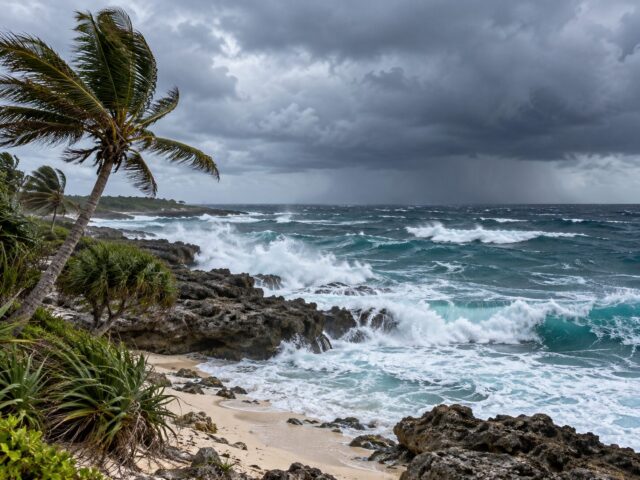
When Do Typhoons Most Often Hit Miyako Island? Monthly Approaches and How to Prepare for Flight Cancellations and Road Closures
Hello everyone!
One of the largest activity stores in Miyako Island
Miyako Island ADVENTURE PiPiIt is!
I’m sure many of you are wondering, “When do typhoons most often hit Miyako Island?” or “What should I do if a typhoon hits while I’m traveling?”
Miyako Island is so prone to typhoons that it’s known as the “Typhoon District,” andThey are particularly common from July through September, and you can’t let your guard down in October either.The following is a list of the most common problems with the "C" in the "C" column.
In this article, based on data from the Miyako Island Regional Meteorological Observatory, we’ll cover monthly typhoon trends, what happens on the island when a typhoon strikes, and how to prepare before and during your trip.
We've also put together some ideas for things to do before and after a typhoon, as well as on rainy days, so please use this information to help plan your trip.
Table of Contents
When Do Typhoons Most Often Hit Miyako Island? Number of Approaches by Month

Typhoons tend to approach Miyako Island from July through October, andBased on the long-term average, September (1.2 units) and August (1.1 units) are the peak months.It is.
According to the Miyako Island Regional Meteorological Observatory, an average of 4.2 typhoons approach the Miyako Island region each year (Source:Miyako Island Regional Meteorological Observatory)。
The term “approach” as used here refers to the typhoon’s center coming within 300 km of the Miyako Island Regional Meteorological Observatory.
| month | Normal value (1991–2020) |
Total (1951–2025) |
| April | 0.0 items | 2 |
| May | 0.2 units | 15 |
| June | 0.4 units | 28 |
| July | 0.7 | 56 |
| August | 1.1 piece | 82 |
| September | 1.2 pieces | 70 |
| October | 0.5 | 29 |
| November | 0.1 unit | 14 |
| December–March | 0.0 items | 0 items |
| Annual | 4.2 units | 289 |
Over the 75-year period from 1951 to 2025, August had the highest cumulative total with 82, while September had the highest number based on the long-term average (Source:Okinawa Meteorological Observatory: "Number of Typhoons Approaching Miyako Island")。
Since a typhoon that made landfall during two different months is counted in both months, the monthly totals do not match the annual total.
From December through March, no typhoon has approached Miyako Island since 1951.
The peak is in August and September

August and September mark the peak of typhoon season on Miyako Island, when typhoons approach at a rate of at least one per month.
Since it coincides with summer vacation and the fall long weekend,If you have travel plans, check typhoon updates starting one week before your departure.It is safe to do so.
Even when a typhoon has moved away from the island, there are days when the sea is rough due to swells, causing marine tours to be canceled.
You can't let your guard down in June, July, and October either

June falls around the time the rainy season ends, so while there aren’t many typhoons, the weather tends to be unstable as the rainy season rains overlap with other weather patterns.
In July, the number of flights begins to increase, and since this coincides with the start of summer vacation, families planning trips should check flight schedules frequently.
The average for October is also 0.5, and the Miyako Island Regional Meteorological Observatory alsoOctober is still typhoon season.We are calling on them to do the same.
If you want to avoid typhoons, visit between November and May

If you want to avoid typhoons as much as possible, we recommend visiting between November and May, when typhoons rarely approach the area.
However, since Typhoon No. 26 is expected to approach Miyako Island in mid-November 2025, be sure to check the typhoon forecast even if you’re traveling in November.
Also, during the winter months on Miyako Island, strong north winds can cause changes in the locations of ocean tours or lead to their cancellation.
If you want to swim in the ocean,April through May, after the beach season opens, and the first half of November, when typhoons begin to subsideThat is also an option.
Major Typhoons That Have Hit Miyako Island in the Past

There have been three typhoons named after Miyako Island, and they are still remembered today as typhoons that caused significant damage.
In particular, during the Second Miyako Island Typhoon (Kora) of 1966,A maximum instantaneous wind speed of 85.3 m/s—the highest on record in Japan...was observed.
Based on data from the Miyako Island Regional Meteorological Observatory and Okinawa Prefecture, this summary lists the typhoons that caused significant damage on Miyako Island.
| typhoon | Records and Damage on Miyako Island |
| Typhoon (Sara) in Miyako Island 1959 |
Maximum instantaneous wind speed: 64.8 m/s About 70 percent of the homes on the island were damaged |
| The Second Miyako Island Typhoon (Kora) 1966 |
Maximum instantaneous wind speed of 85.3 m/s (the highest on record in Japan) More than half of the homes were damaged |
| The 3rd Miyako Island Typhoon (Dela) 1968 |
Maximum instantaneous wind speed: 79.8 m/s Significant damage to homes and crops |
| Typhoon No. 14 (Maemi) 2003 |
Maximum instantaneous wind speed: 74.1 m/s Within the storm's wind field for approximately 24 hours |
Source:Miyako Island Regional Meteorological Observatory: “Disasters Caused by Typhoons”, ,Okinawa Prefecture: “Typhoon Damage and Countermeasures”
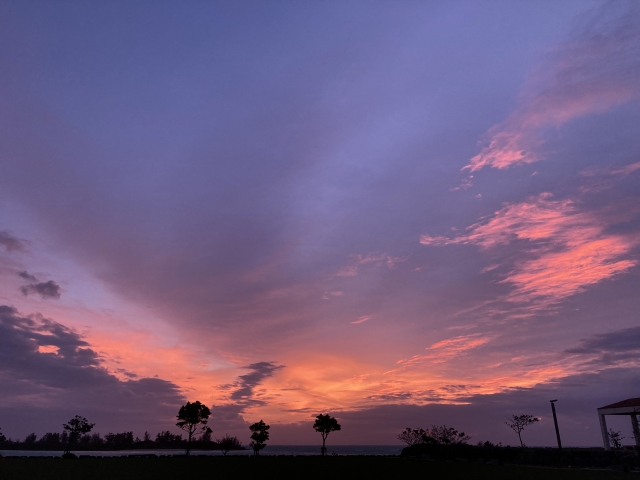 During Typhoon Maemi in 2003, there was damage, including fallen utility poles and overturned cars.
Keep in mind that when a large typhoon moves slowly, the high winds can last for a long time, so you may not be able to go outside for several days.
In recent years, typhoons have been approaching Miyako Island almost every year, and in 2026, there were several typhoons that brought the island into the gale-force wind zone or triggered gale warnings.
The major typhoons that approached Miyako Island between 2025 and 2026 are as follows.
| typhoon | The Situation on Miyako Island |
| 2025 Typhoon No. 7 (Late July) |
Maximum instantaneous wind speed: 18.6 m/s No storm warning has been issued |
| 2025 Typhoon No. 8 (Late July) |
Maximum instantaneous wind speed: 16.5 m/s No storm warning has been issued |
| 2025 Typhoon No. 26 (Mid-November) |
Maximum instantaneous wind speed: 23.5 m/s The typhoon that approached in November |
| 2026 Typhoon No. 7 (Late June) |
On June 25, part of Miyako Island will enter the storm’s wind field |
| 2026 Typhoon No. 9 (Mid-July) |
It entered the storm's wind field on the evening of July 10 and made its closest approach on the 11th |
| 2026 Typhoon No. 13 (Early August) |
A storm warning was issued in the early hours of August 8 |
| 2026 Typhoon No. 30 (Late October) |
A storm warning on the evening of October 22 (As of October 22, 2026) |
Source:Miyako Island Regional Meteorological Observatory: “2025 Weather Summary”, ,tenki.jp (Typhoon No. 7), ,tenki.jp (Typhoon No. 9), ,Ryukyu Shimpo (Typhoon No. 13), ,Okinawa Times (Typhoon No. 30)
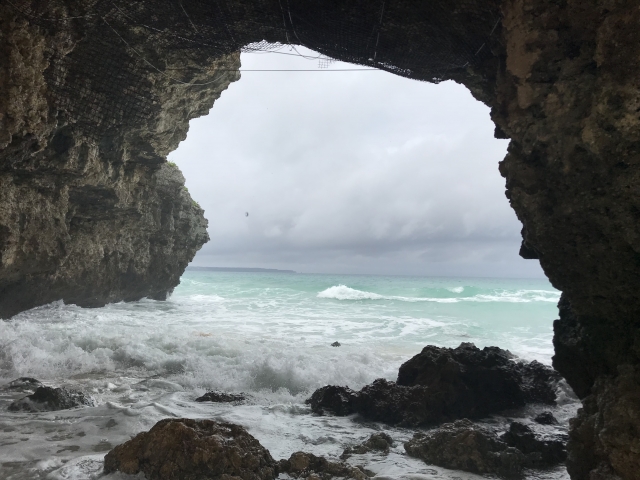
In 2025, three typhoons approached Miyako Island, butThere were no typhoons severe enough to trigger a storm warning.The following is a list of the most common problems with the "C" in the "C" column.
On the other hand, in 2026, the region was hit by severe storms multiple times between June and October, which shows that some years are more prone to typhoons than others.
What happens to Miyako Island when a typhoon hits?

When a typhoon approaches, on Miyako Island...Flight and ferry cancellations, bridge closures, power outagesThis may happen.
A major difference from typhoons on Honshu is that transportation links to the outside world are cut off, and it becomes difficult to get around within the island as well.
Here, we’ll introduce three impacts that travelers should be aware of.
Flights and ships are canceled

When a typhoon approaches, flights to and from Miyako Airport and Miyako-Shimojishima Airport may be canceled.
According to the Miyako Island Regional Meteorological Observatory, since most of Miyako Island’s food and gasoline are transported by ship,If flight cancellations continue for a long time, the store's inventory will run low.There are times when
Since decisions regarding flight cancellations and changes vary by airline, be sure to check the latest flight status on the official website or app of the airline you booked with.
The Irabu Bridge and the Ikema Bridge Will Be Closed to Traffic

According to the Miyako Public Works Office in Okinawa Prefecture, the Irabu Bridge and the Ikema Bridge are,When winds of 25 m/s blow while a storm warning is in effect, the road will be closed to traffic.(Source:Okinawa Prefecture Miyako Civil Engineering Office)。
It is said that advance notice is given approximately two hours before the gate is closed.
During past typhoons, the Kurima Bridge has also been closed to traffic, so if you’re staying on Irabu Island or Kurima Island, be prepared for the possibility that you may not be able to leave the island.
There may be power outages or store closures.
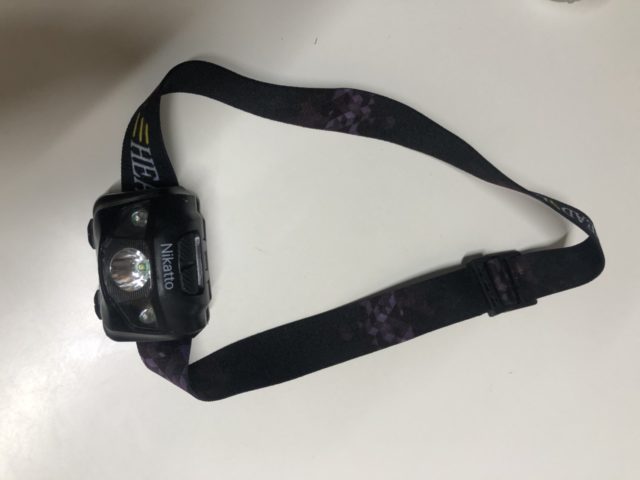
When strong winds from a typhoon snap power lines, it can cause power outages across a wide area.
During Typhoon No. 11 in 2022, power outages affected up to 6,340 households in the prefecture, primarily in Miyakojima City (Source:Ryukyu Shimpo)。
When a typhoon approaches, supermarkets, convenience stores, and restaurants may close early or remain closed.
Buy some drinks and food before the wind picks up.That's the basics of typhoons in Miyako Island.
Where to Find the Latest Typhoon Information

Right before your trip or while you're there,Official information from the Japan Meteorological Agency, the Miyakojima Regional Meteorological Observatory, airlines, and the City of MiyakojimaIt's best to check both of them together.
Since a typhoon's path changes from day to day, checking the forecast daily starting one week before your departure will allow you to decide early on whether to change your flight or hotel reservations.
(i)Japan Meteorological Agency “Typhoon Information”: Current Location of the Typhoon and Forecast Path for the Next 5 Days
(2)Miyako Island Regional Meteorological Observatory: Alerts, Advisories, and Weather Information for the Miyako Island Area
(iii)JAL (JTA) “Flight Status Update”: Expected flight cancellations or conditional operations
4)ANA "Flight Status": Flight Status by Flight
5)Skymark: Notice Regarding Flights to and from Miyako-Shimojishima Airport
6)Miyakojima City “Disaster Prevention Information”: Disaster prevention information, such as the opening of evacuation shelters
seven (used in legal documents)Okinawa Prefecture Miyako Civil Engineering Office: Regarding the Opening and Closing of the Gates at the Irabu Bridge and the Ikema Bridge
Preparations for Traveling to Miyako Island During Typhoon Season

When traveling during typhoon season, it’s best to divide your preparations into three phases—before departure, during your stay, and on the day of your return—so you can stay calm and organized.
Since typhoon forecasts are issued a few days in advance,Gather information early and act earlyThat is the best way to deal with it.
Things to Do Before Departure

About a week before departure, check the Japan Meteorological Agency’s typhoon reports for the forecast path near Miyako Island.
For peace of mind, be sure to check the cancellation policies for flights, hotels, rental cars, and tours with each booking provider in case of typhoons or flight cancellations.
During typhoon season,An itinerary that allows for an extra day on the return tripIf you set it this way, you won't have to panic even if the flight is canceled.
If a typhoon approaches during your stay

When a storm warning is issued, the general rule is to avoid going out unless absolutely necessary and to stay at your hotel.
To prepare for power outages and water shortages, make sure to charge your smartphone and stock up on food and drinks before the wind picks up.
If it looks like you'll need to extend your stay,Check with the hotel front desk about room availability before the flight cancellation is confirmedIf you do this, it will be easier to secure a room.
If my flight is canceled on the day I'm supposed to return,
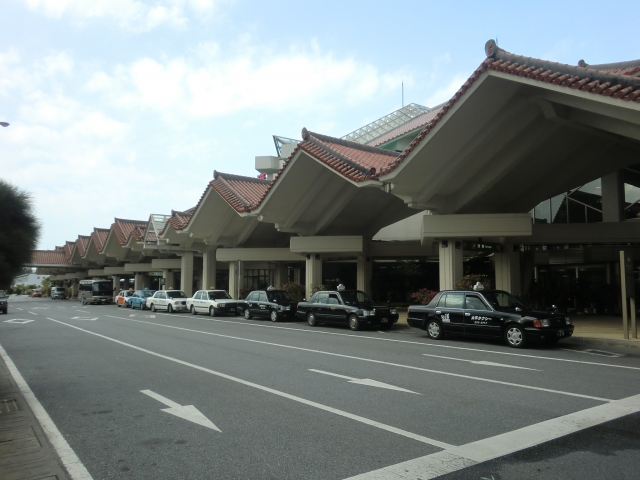
If a flight is canceled, the first thing you should do is check the airline’s official website or app to find out how to arrange a rebooking or request a refund.
Along with booking your alternate flight, it’s a good idea to arrange your hotel for tonight and extend your rental car reservation at the same time.
Since the airport counters are often crowded,Complete the procedures on your smartphone before heading to the airportis recommended.
What to Bring and What to Wear

For your typhoon season emergency kit, it’s a good idea to include a portable charger, a flashlight, and your regular medications.
On Miyako Island, where the rain and wind are strong, umbrellas are often useless, so,A raincoat and sandals that can get wetis convenient.
Since the days before and after a typhoon tend to be hot and humid, choose clothes made of materials that dry quickly.
① Portable charger (fully charged)
② Flashlight
③ Raincoat
④ Sandals that can get wet
⑤ Medicines and First Aid Supplies
⑥ Food and drinks (buy them early while you're there)
What happens to PiPi's tour when there's a typhoon?

At Miyako Island ADVENTURE PiPi,If a tour is canceled due to an approaching typhoon, we will not charge a cancellation fee and will accommodate schedule changes.The following is a list of the most common problems with the "C" in the "C" column.
Unless there are exceptional weather conditions, such as a typhoon, tours generally take place even in the rain.
If we determine that the event cannot be held safely due to strong winds, sea conditions, tide levels, or other factors, we will contact you directly no later than the morning of the event.
No cancellation fees will be charged for cancellations due to unavoidable circumstances, such as flight cancellations (separate cancellation fees apply to private charter plans).
How to Spend Your Time Before and After a Typhoon, and on Rainy Days

Before a typhoon approaches or after it has passed—even on rainy days—you can enjoy indoor activities and tours in locations that are less affected by the waves.
Since all tours will be canceled if a typhoon approaches and it becomes unsafe to hold them,Check with the shop for the day's sea and weather conditionsLet's join after we've done that.
Indoor Candle-Making Workshop

This is an indoor hands-on activity where you create animals that are characteristic of Miyako Island using candle wax.
Since it's held indoors, events take place as usual even on rainy or windy days, andHow to Spend the Day When Your Ocean Tour Is CanceledIt has also been selected for...
The tour takes about 2 hours, including breaks and transportation time.
Exploring the Pumpkin Cave

This is a tour where you’ll cross the ocean by kayak and explore a limestone cave featuring a large, pumpkin-shaped rock.
Even when it rains, the scenery inside the limestone cave hardly changes, so,Customer satisfaction tends to remain high even on rainy daysis the appeal of this product.
This event is held only during low tide, is open to participants ages 7 to 59, and lasts about 2 hours.
Mangrove SUP on Irabu Island

This is a SUP tour on Irabu Island that takes you through the "Miyako Blue" waters and mangrove forests.
The waves are calm inside the mangrove forest, andOn rainy days, there's a lush, jungle-like atmosphere.You can enjoy the
The activity is for ages 3 to 59 and takes about 2 hours.
Precautions to Take at the Beach After a Typhoon Passes

Even after the typhoon passes and the skies clear,There are still swells and strong currents in the ocean.There are times when
Even if the water looks calm, you need to be careful because sand can be stirred up, making the water murky, or large waves can suddenly roll in.
For a few days after a typhoon, please refrain from going into the ocean on your own; instead, participate in guided tours where the guide assesses the ocean conditions before deciding whether to proceed.
Frequently Asked Questions
There were 0.5 typhoons in October as well, so it is still considered typhoon season.
If you'd like to swim in the ocean, we recommend visiting from April through May or in early November, after the beach season opens.
It’s a good idea to arrange for an extended hotel stay and a rental car extension well in advance.
You'll be notified about two hours before the gate closes, so be sure to check the news on TV or the radio.
No cancellation fees apply to cancellations due to flight cancellations (except for private charter plans).
Please refrain from going into the ocean on your own for a few days and instead join a guided tour where the guide assesses the ocean conditions.
in the end
Typhoons are common on Miyako Island from July through October, and it’s especially important to check typhoon updates frequently before your trip, particularly in August and September.
When a typhoon approaches, gather information early and take action promptly to prepare for flight cancellations, bridge closures, and power outages.
We offer tours that you can enjoy even before or after a typhoon, or on rainy days, so please feel free to contact Miyakojima ADVENTURE PiPi if you have any questions.
Thank you for taking the time to read this to the end.
This article was written by.
