

Local Column
COLUMN

How Can We Prevent Water Accidents on Miyako Island? Causes of Accidents and How to Enjoy the Ocean Safely
Hello everyone!
One of the largest activity stores in Miyako Island
Miyako Island ADVENTURE PiPiIt is!
When people think of Miyako Island, I imagine most of them picture its crystal-clear ocean.
If you come to Miyako Island, be sure toWe want you to experience snorkeling.That's what I think.
On the other hand, water-related accidents occur almost every year in the waters off Okinawa.
In this article, we'll discuss the causes of accidents and,What you can do to prevent accidents before they happen...will be explained by local staff who run the ocean tours.
Table of Contents
To safely enjoy the ocean around Miyako Island

To safely enjoy the ocean around Miyako Island, there are three key points you should keep in mind.
① Be sure to wear your life jacket properly.
② Don't go into the ocean alone; join a guided tour whenever possible.
③ Do not go in the ocean when you are not feeling well or after drinking alcohol
・Designated as a “Maru-Yu” (Outstanding Marine Leisure Service Provider with Excellent Safety Measures) by the Okinawa Prefectural Public Safety Commission
・All guides hold rescue certifications (as of August 2026)
・We will visually check the sea conditions at the site on the day of the tour before deciding whether to proceed.
・Ranked No. 1 nationwide in four categories: annual number of participants, total number of reviews, annual sales, and number of employees*
*Research Organization: Japan Marketing Research Organization / Market Survey of Activity Marine Shops for the Fiscal Year Ending July 2026 (as of July 2026)
Just by following these three tips, you can significantly reduce the risk of accidents.
In the following sections, we’ll provide a detailed overview of the number of accidents on Miyako Island, recent incidents, beaches with high accident rates, and the causes of accidents along with preventive measures.
Number of Water Accidents on Miyako Island and Recent Cases

Within the jurisdiction of the Miyako Island Coast Guard District,Every year, 19 to 31 people are involved in accidents while engaging in marine leisure activitiesAvailable (2023–2025).
Accidents have continued to occur even in 2026, and accidents can still happen even when wearing a life jacket.
| counter for years (following a number in the hito-futa-mi counting system) | Number of People Injured in Accidents | Marine Leisure at Home | Number of deaths |
| 2023 | 27 people | 21 people | 5 people |
| 2024 | 47 people | 31 people | 8 people |
| 2025 | 28 people | 19 people | 4 people (including those missing) |
Source: Summary by the Miyako Island Coast Guard Office (News from 2024, ,News from 2025(/Miyako Mainichi Shimbun). The figures for 2023 are calculated based on the year-over-year comparison with 2024.
Water-related accidents are on the rise throughout Okinawa Prefecture, with the number of incidents reaching record highs in both 2023 and 2024.
According to data from the prefectural police, accidents on natural beaches from 2020 to 2024 included:Accidents while snorkeling are the most commonThe "M" in "M" is a "M" in "M".
(1) In October 2026, a 77-year-old male tourist died while snorkeling at Shinshiro Beach (he was wearing a life jacket /Naigai Times)。
② In September 2026, a woman snorkeling about 200 meters offshore at Shinshiro Beach was unable to return due to wind and ocean currents and had to be rescued (she was not wearing a life jacket /Naigai Times)。
③ In May 2026, a woman was found unconscious while snorkeling near the coast of Nakajima on Shimojishima (Ryukyu Shimpo)。
④ In April 2026, a 41-year-old man died while snorkeling with his family at Shinshiro Beach (he was not wearing a life jacket /Ryukyu Shimpo)。
⑤ In October 2025, a man died while snorkeling near Tomori Shirobe’s “Ingya Marine Garden” (Okinawa Times)。
⑥ In July 2025, a man participating in a snorkeling tour off the coast of a beach northeast of Ikemajima drowned and died (he was wearing a life jacket /Okinawa Times)。
Even if you're wearing a life jacket,Accidents can occur due to sudden changes in physical condition or tidal currents.Let's keep this in mind.
Beaches on Miyako Island with High Accident Rates and Why They're Dangerous

On Miyako Island,A popular beach where many people go snorkeling on their ownAccidents continue to occur there.
Here, we'll introduce the beaches where accidents have been reported and explain why accidents are likely to occur there.
Shinshiro Coast

Shinshiro Beach is a popular spot where many people enjoy snorkeling on their own because the water is shallow and the waves are calm.
On the other hand,In 2026 alone, there have been a series of accidents in April, September, and October.The following is a list of the most common problems with the "C" in the "C" column.
In the September incident, he was swept away by the wind and ocean currents about 200 meters offshore and was unable to return to shore on his own.
Even on days when the sea looks calm, don't go too far out, and be sure to wear a life jacket and go in with others.
Sunayama Beach

Sunayama Beach is a popular photo spot thanks to its arch-shaped rock, butThere are no on-site supervisorsIt's the beach.
Even though the water appears shallow, there are areas where the current changes easily, and because it is located on the northwest side of the island, waves tend to get higher in winter when the north wind picks up.
In the past, following reports of shark sightings, Miyakojima City has installed signs urging caution.
When swimming, stay close to the shore, and avoid going into the ocean on days when the waves are high.
Around Irabu Island and Shimoji Island

The area around Irabu Island and Shimoji Island is home to many snorkeling spots with abundant fish and crystal-clear waters.
The rocky and coral terrain is intricate, andA spot where the water suddenly gets deep once you go a little way out to seaThere are also
Accidents occurred near the coast of Nakanoshima in May 2026 and in the waters north of Shimojishima in May 2022.
If you're not familiar with the terrain or the tidal currents, it's safest to enjoy the experience on a guided tour.
At PiPi, at the "Sapphire Cave"—the Blue Cave on Irabu Island—Guided Snorkeling TourWe are holding an event.
Main Causes of Water Accidents

While there are various causes of water-related accidents, they can generally be categorized as “lack of knowledge about the ocean” and “inadequate equipment.”
Both of these are causes that can be prevented if you know about them in advance.
Lack of Knowledge About the Ocean

The conditions of the ocean in Okinawa change every day depending on the tides, wind direction, and the topography of the coral reefs.
Without knowing what the ocean conditions were like that day,It's very dangerous to go into the ocean alone.It is.
Since it’s possible to find yourself drifting out to sea before you even realize it, a good understanding of the ocean is essential if you’re snorkeling on your own.
Lack of equipment, such as life jackets

According to the Miyako Island Coast Guard, approximately 90 percent of those who died in accidents while engaging in marine leisure activities were not wearing life jackets.
When snorkeling, be sure to wear flotation gear, such as a life jacket.
In addition, life jackets will not be fully effective unless they are worn correctly.
How to Use Snorkeling Equipment Properly

You can only enjoy snorkeling safely if you use the equipment correctly.
Here,Diving mask, snorkel, life jacket, finsHere are some tips on how to use it.
Mask and Snorkel

Before using them, check the mask for cracks or chips and make sure the snorkel isn't broken.
When wearing a mask, make sure your bangs don't get inside the mask—this will help keep water out and prevent the mask from fogging up.
① Open your mouth wide as if saying “A”
② Form your mouth into an “i” shape and gently bite down on the mouthpiece with your teeth.
③ Form your mouth into a "u" shape and wrap your lips around the outside of the mouthpiece.
Before you start swimming, dip your face in the water once, andDoes water get into the mask? Can I breathe properly?Let's head out to sea after checking that.
life jacket

When choosing a life jacket, make sure to select one that fits your body, andTighten all the straps so they fit snugly against your bodyIt is important to
If it remains loose, there is a risk that the life jacket will float away on its own or slip off while you are in the water.
fin

Wearing fins allows you to move forward with less effort, so you can enjoy snorkeling more easily.
Fins come in two types: full-foot fins, which are worn barefoot, and strap fins, which are worn over shoes.
It's easy to fall if you walk while wearing fins, so,Put them on after you get into the waterThat's safer.
Essential Knowledge About the Ocean to Help Prevent Accidents

The ocean isn't always in the same condition every day.
Even on sunny days, there are times when the current or wind is strong, so,Check not only the weather but also the sea conditionsLet's go into the ocean after that.
Tides

The ocean experiences high and low tides throughout the day, and the water depth varies significantly depending on the time of day.
According to the tide table for Miyako Island (Taira), there are many days when the difference between high tide and low tide exceeds 1.5 meters.
In the shallow waters off Miyako Island, when the tide goes out, the coral is exposed almost to the surface of the water, andIt becomes harder to return from the open water to shoreThere are times when
Before going into the ocean, be sure to check the tide table to see when high tide and low tide occur.
Reef current (rip current)

One thing to be especially careful of in the waters off Okinawa is the current flowing out to sea from the gaps in the coral reefs.Leaf CurrentIt is.
Waves roll in from the open sea toward the shore, but when the seawater that has washed ashore rushes back out to sea all at once through gaps in the coral reef, it creates a strong current.
If you get swept away by the current, don't try to swim directly toward the shore; instead, swim parallel to the shore, cutting across the current, to get out of it.
If you can't swim, it's important not to overexert yourself; instead, float and conserve your energy while waiting for help.
Ensure means of communication
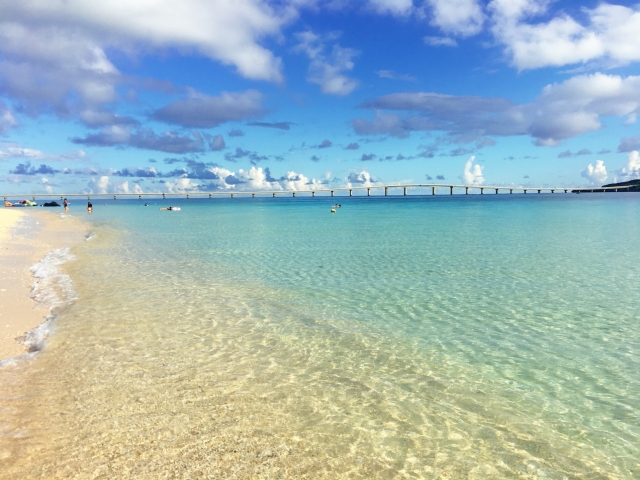
When you're enjoying the ocean, make sure you have a way to contact someone so you can call for help right away in case of an emergency.
Put your smartphone in a waterproof case, andAway to get in touch with people on land right awayIt's best to leave it that way for peace of mind.
Accidents or incidents at sea can be reported to the Japan Coast Guard’s emergency hotline at “118.”
Hazardous marine organisms
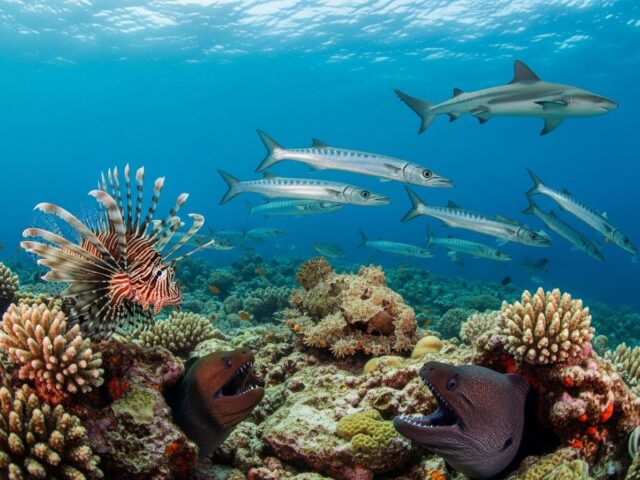
There are some poisonous creatures in the ocean.
Do not touch or approach animals carelessly, andAt the very least, try to remember which creatures are highly venomous.That's reassuring.
・Its cap is translucent, making it hard to see underwater, and it can be found even in shallow areas about 50 cm deep.
・Okinawa Prefecture issues a warning about box jellyfish every year; in 2026, the warning period ran from June 1 to September 30.
• If you are stung, get out of the water immediately. Do not rub the affected area; pour plenty of vinegar on it, gently remove the tentacles, cool the area, and then seek medical attention.
・Characterized by its blue float and long tentacles, it is sometimes washed ashore by strong winds.
・When stung, you feel a sharp pain, like an electric shock.
・If you are stung, rinse the tentacles off with seawater to cool the area, and seek medical attention (never use vinegar).
・The spines on the dorsal, anal, and caudal fins are poisonous, and a sting causes severe pain.
・Since they move slowly and don't run away, be careful not to accidentally get too close.
・If you are stung, remove any visible stingers, soak the affected area in water at a temperature of about 40–45°C, and then seek medical attention (be careful not to burn yourself).
・Although they are generally docile and rarely attack people, they are members of the cobra family and possess a potent neurotoxin.
・If you accidentally step on or grab it, it may bite you.
・If you are bitten, get out of the water immediately, clean the wound, and go to a medical facility right away.
*First aid instructions are based on information from the Okinawa Prefectural Institute of Public Health and Environment. If symptoms are severe, call 119 immediately.
Tips for Enjoying Snorkeling Safely

Finally, here are some tips for enjoying snorkeling safely.
Take a guided tour

If you want to enjoy snorkeling safely,The best option is to take a guided tourIt is.
Not only do they choose a safe spot based on the day's sea conditions, but you can also rent equipment such as life jackets.
Fun in the swimming area

If you're going into the ocean on your own, choose a beach with a designated swimming area and enjoy yourself within that area.
As long as there is a supervisor on duty,They'll respond immediately in case of an emergencySo you can rest assured.
Don't go into the ocean alone
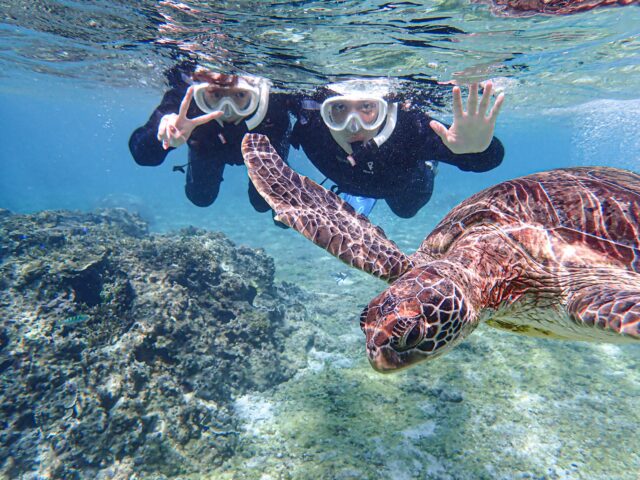
Snorkeling alone is very dangerous because you won't be able to call for help if something happens.
When you go swimming on your own,Always be in a group of at least two people, and stay within sight of each other.Let's go swimming.
Do not go into the ocean when you are feeling unwell or after drinking alcohol.

If you're feeling unwell, haven't gotten enough sleep, or are feeling tired, don't force yourself to go into the ocean.
After drinking,I will absolutely not go into the ocean.Please use the following
If you feel even the slightest discomfort while snorkeling, get out of the water immediately.
Safety First! Why Miyakojima ADVENTURE PiPi Is the Top Choice
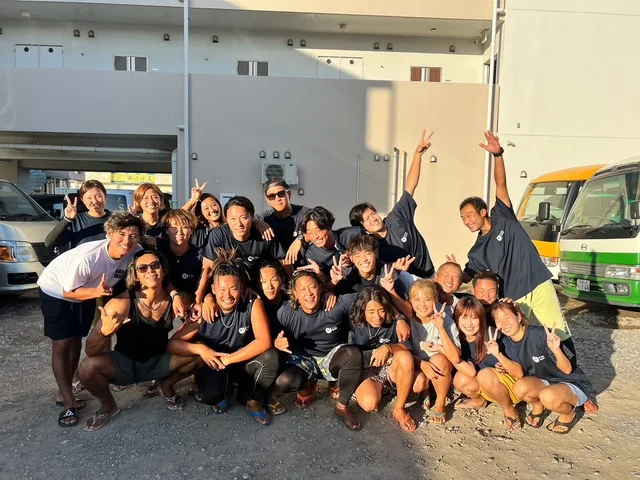
Miyako Island ADVENTURE PiPi is,There is no better service than safety."We operate our tours based on this philosophy.
No matter how much fun we have, if someone gets hurt, we won't be able to look back on it as a happy memory.
Here, we’ll explain why PiPi is a trusted choice.
Ranked No. 1 Nationwide in Four Categories
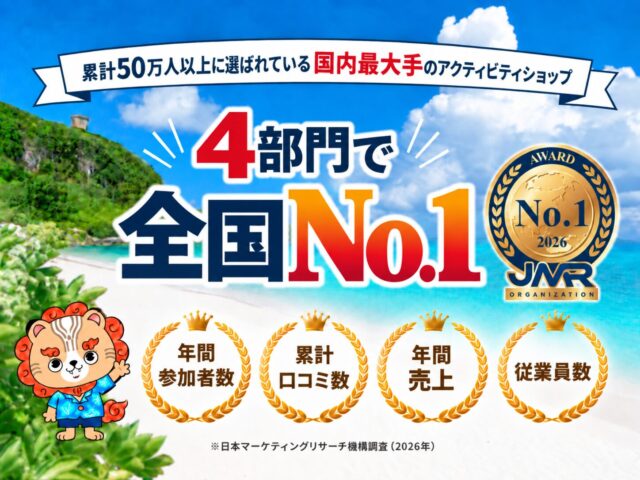
According to a survey conducted by a third-party organization, ADVENTURE PiPiRanked No. 1 nationwide in four categories: annual number of participants, total number of reviews, annual revenue, and number of employees...was awarded.
On the three islands of Ishigaki, Iriomote, and Miyako, we have welcomed a cumulative total of more than 500,000 guests (December 2016–May 2026; based on our own statistics).
*Research Organization: Japan Marketing Research Organization / Market Survey of Activity Marine Shops for the Fiscal Year Ending July 2026 (as of July 2026)
A "Maru-Yu" business operator certified by the Okinawa Prefectural Public Safety Commission

PiPi is licensed by the Okinawa Prefectural Public Safety Commission"Outstanding Marine Leisure Service Provider for Safety Measures (Maru-Yu)"The name is designated in the
Businesses that have been designated are required to,List of Okinawa Prefectural Police DepartmentsYou can check this here (verified in September 2026).
"Maru-Yu" is a certification granted only to businesses that meet strict standards.
All guides are certified in rescue and undergo monthly training.
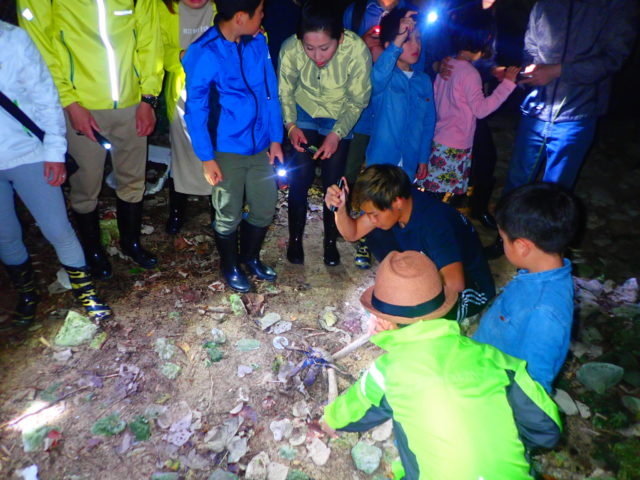
All of PiPi's guides hold either a "PADI Snorkel Guide" or "OMSB Snorkel Guide" certification.
Further,Any one of the following rescue certifications: “PADI EFR,” “Japanese Red Cross Society Water Safety Law Rescue Worker Level II,” or “OMSB Water Rescue Worker”We have also obtained it (as of August 2026).
We conduct monthly training sessions on field safety checks and emergency response, and we also participate in safety seminars organized by the fire department and other agencies.
Our own operating standards and on-site sea condition checks

At PiPi, based on the track record and data we’ve accumulated across the three islands,Strict, Proprietary Tour Operation StandardsThe company has established a
① On the day of the tour, we will go to the site and visually assess the sea conditions before deciding whether to proceed.
② Each local guide has the authority to interrupt the tour
③ A support guide will accompany you on challenging trails
④ Small-group tours with a set maximum number of participants per guide
⑤ Keep emergency cell phones, whistles, and first-aid kits on hand at each field
Everyone, including the guide, must wear a life jacket

On PiPi tours, it's not just the guests who...Guides must also wear safety equipment such as life jacketsThe company is doing so.
Even if you can't swim, you can start in the shallow water where you can touch the bottom, and we have life jackets available in five sizes, ranging from children's to adults'.
Recommended Snorkeling Tours
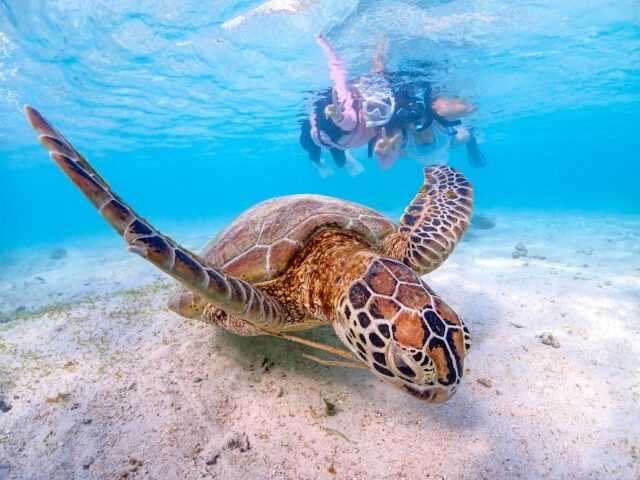
Finally, here are PiPi's recommended snorkeling tours.
bothEasy for beginners and those who aren't strong swimmers to joinTour.
Sea turtle snorkeling

This is a snorkeling tour where you can swim with sea turtles in the crystal-clear waters off Miyako Island.
The activity takes about 2 hours, and is suitable for ages 3 to 59.
Tropical Snorkeling
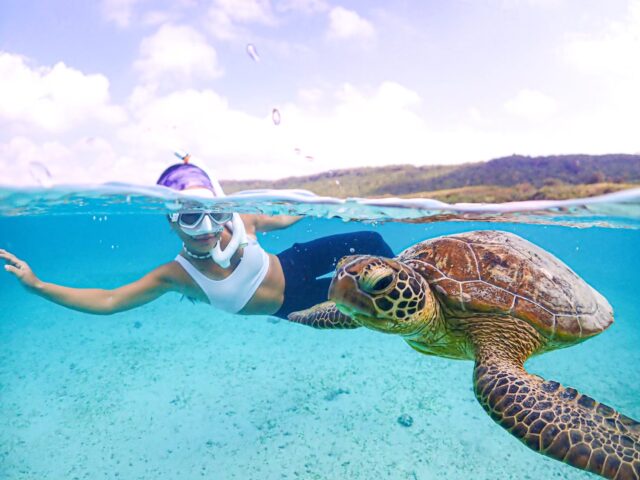
This is a snorkeling tour where you can swim alongside colorful tropical fish in the coral-filled ocean.
You might even come across a clownfish.
The activity takes about 2 hours, and is suitable for ages 3 to 59.
Frequently Asked Questions About Water Accidents on Miyako Island
Since fatal accidents have occurred at Shinshiro Beach and other locations in 2026 as well, please exercise extreme caution when entering the water.
You need to be especially careful when snorkeling on your own at a beach without lifeguards.
If it's your first time, we recommend taking a guided tour.
On PiPi's tours, we start in shallow water where you can touch the bottom, and a guide will assist you.
Always wear a life jacket when snorkeling.
Vinegar is effective only against the Habu jellyfish; be careful not to use vinegar on the Katsuo-no-eboshi jellyfish.
Since attempting to help on your own could lead to secondary injuries, you should call for help first.
If the event is canceled due to an approaching typhoon or similar circumstances, we will not charge a cancellation fee and will accommodate rescheduling requests.
in the end
In this article, we’ve shared some important information you should know to prevent water accidents on Miyako Island and enjoy the ocean safely.
It would be such a shame if an accident ruined your trip, wouldn't it?
Simply by following basic safety rules—such as wearing a life jacket and not going into the ocean alone—you can prevent many accidents.
Let's enjoy the seas around Miyako Island safely with Miyako Island ADVENTURE PiPi!
This article was written by.
